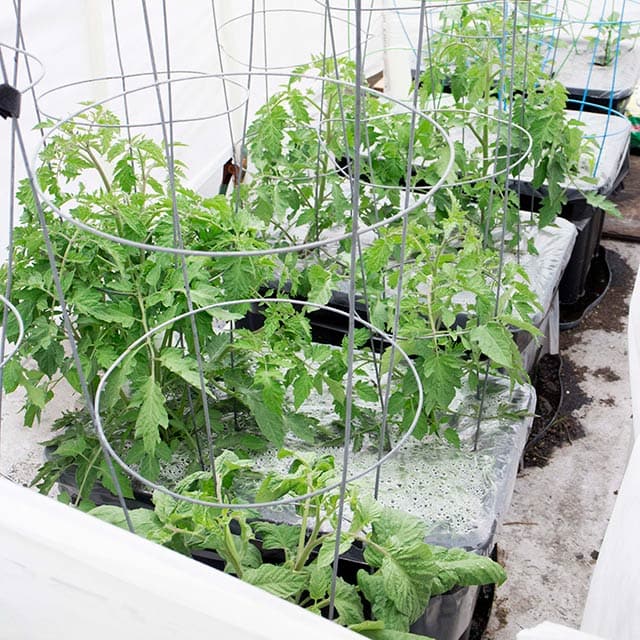
As the summer sun intensifies, so does the ambition of your indeterminate tomato plants. What begins as a humble seedling can quickly transform into a towering, fruit-laden giant, often reaching heights of six, seven, or even eight feet. While this rapid growth is a gardener's delight, it also presents a significant challenge: providing adequate support. Standard, single tomato cages simply won't cut it for these vertical marvels. Without robust reinforcement, your prize-winning tomatoes risk toppling under their own weight, succumbing to strong winds, or becoming an impenetrable, disease-prone jungle. The solution lies in proactive and intelligent support systems, specifically utilizing double tomato cages for tall tomato plants to ensure they grow strong, healthy, and produce abundant yields.
Why Traditional Cages Fall Short for Towering Tomatoes
Many gardeners, especially those new to indeterminate varieties, start with conventional tomato cages, typically ranging from 42 to 54 inches in height. While these work well for determinate, bushier varieties or smaller indeterminate plants in their early stages, they are woefully inadequate for the ambitious growth patterns of varieties like 'Brandywine', 'Cherokee Purple', or many heirloom slicers. As these plants shoot skyward, they quickly outgrow the cage, leaving their upper stems and heavy fruit clusters unsupported and vulnerable.
The consequences of insufficient support are manifold. First and foremost, plants can easily collapse under the combined stress of their own substantial weight and external forces like wind or heavy rain. This can lead to snapped stems, damaged fruit, and even uprooting. Secondly, when plants sprawl across the ground or become a dense, unsupported thicket, air circulation dramatically decreases. This creates a humid microclimate ripe for fungal diseases like blight, which can quickly devastate an entire crop. Thirdly, harvesting becomes a nightmare, with ripe fruit often hidden or damaged in the tangle. By proactively implementing taller, sturdier support, like **double tomato cages for tall tomato plants**, you transform potential chaos into an organized, productive, and healthier garden space.
The Power of Double Tomato Cages: A Step-by-Step Guide
Embracing the strategy of using double tomato cages for tall tomato plants is a game-changer for serious tomato growers. It's a simple yet incredibly effective method to provide the extended vertical and structural support your plants need to thrive. This approach ensures your plants remain upright, their energy focused on fruit production rather than self-preservation.
Early Installation is Key
One of the most crucial tips for any tomato support system is early installation. It is far easier to place a cage around a small plant than to wrestle with a sprawling, multi-stemmed mature plant without causing damage. Ideally, cages should be installed almost immediately after transplanting your tomato seedlings. This gives the plant a clear path to grow upwards and allows its stems to be guided naturally by the cage as it expands.
Choosing Your Cages
While various cage types exist (spiral, heavy-duty, etc.), for the double-stacking method, traditional conical or square wire cages are common. Many gardeners opt for two 54-inch cages, which combined, offer an impressive 9 feet of potential support. This allows for ample headroom even for the most ambitious indeterminate varieties. Ensure your cages are made from sturdy, rust-resistant material for multi-season use. For more insights on cage selection, refer to our article: Choosing Tall Tomato Support: Spiral, Stacked, & Heavy-Duty Cages.
The Stacking Technique
Here’s how to effectively implement double tomato cages for tall tomato plants:
- First Cage Placement: Position the first cage securely around your young tomato plant. Push its legs deep into the soil for stability.
- Prepare the Second Cage: Take your second cage, which will be stacked on top. The goal is to safely connect it to the first. To prevent sharp ends from sticking out and posing a hazard (to you or the plant), gather the legs of the top cage together. You can bend them inwards slightly or use zip ties to cinch them tightly together. Some gardeners also add a layer of sturdy tape over the bundled legs for an extra layer of protection and to ensure no sharp points emerge.
- Attach the Cages: Carefully lower the prepared second cage onto the first. Align the frames so they overlap slightly. Use durable zip ties to securely fasten the second cage to the top rim or sturdy crossbars of the first cage. Use several zip ties, spaced evenly, to create a strong, unified structure. Ensure the connection is tight and stable; this joint will bear significant weight.
- Secure the Entire Structure: This step is critical, especially in gardens exposed to wind. Even stacked cages can topple if not anchored. If you have a larger garden structure, fence, or stakes nearby, use strong garden twine or more zip ties to lash the newly doubled cage to it. For rooftop gardens or particularly windy areas, anchoring the entire setup to a fixed point is non-negotiable. This double reinforcement - stacking the cages and then anchoring the stack - creates an exceptionally stable support system.
Beyond zip ties, other fasteners like Velcro garden ties are also useful for securing plants to the cage as they grow or for minor structural adjustments. Having a good supply of these on hand is always recommended. For a more detailed look into preventing your tall plants from falling, read our dedicated guide: Master Double Tomato Cages: Prevent Tall Plants from Falling.
Beyond Stacking: Advanced Support Strategies for Peak Performance
While double tomato cages for tall tomato plants offer excellent support, there are also specialized designs that provide robust alternatives or complements. Understanding these options allows you to tailor your support system to your specific garden needs and plant varieties.
Spiral Tomato Cages: Many experienced gardeners praise spiral designs, especially for vining indeterminate tomatoes. These cages feature a continuous helical structure that naturally guides the plant's main stem upwards, providing numerous contact points for support. The twisted steel construction distributes weight evenly, preventing the dreaded "cage tip-over" often associated with cheaper, flimsy alternatives. High-quality spiral cages often come with reinforced bases that can be pushed deep into the soil for extra stability and are typically made from powder-coated steel to resist rust for many seasons, even when left outdoors year-round. This superior rust resistance is a significant advantage over standard wire cages that can corrode within a few seasons.
Heavy-Duty Wire Towers and Expandable Designs: For gardeners seeking professional-grade support without the premium cost of some solid steel options, adjustable wire towers offer exceptional value. These versatile cages can often be expanded or configured to suit different plant sizes and grow throughout the season. They are designed for multi-season durability and provide robust support for even the heaviest fruit loads. Regardless of the type of cage, the principle remains: robust, multi-point support that allows for vertical growth and keeps the plant healthy and accessible.
The right tall tomato cage, whether stacked or purpose-built, transforms your garden from a tangled mess into an organized, productive space. These robust support systems do more than just keep plants upright; they significantly improve air circulation, making your plants less susceptible to disease. They also make harvesting much easier by presenting fruit at an accessible height and preventing it from rotting on the ground or being damaged by pests. Investing in durable, effective cages truly pays dividends in healthier plants and more bountiful harvests.
Maximizing Growth and Yield with Proper Support
The strategic use of double tomato cages for tall tomato plants or other heavy-duty supports isn't just about preventing collapse; it's about unlocking your plant's full potential for growth and yield. When a tomato plant receives proper support, it expends less energy on simply staying upright and more on vegetative growth and fruit production. This translates directly to larger, healthier plants and a more abundant harvest.
Supported plants also benefit from enhanced light exposure. With leaves and fruit lifted off the ground and spread out, more sunlight can reach all parts of the plant, promoting better ripening and flavor development. The improved air circulation, a direct result of an open, supported structure, reduces humidity around the foliage and fruit, significantly decreasing the risk of fungal diseases. This proactive disease prevention means less need for interventions and healthier, more vigorous plants throughout the growing season.
Furthermore, well-supported plants are easier to manage. Pruning suckers, identifying and removing diseased leaves, and checking for pests become simple tasks rather than a battle through a dense thicket. When harvesting, ripe tomatoes are clearly visible and easily accessible, reducing the chance of missing fruit or damaging delicate stems. Investing time and resources into robust support systems is a fundamental step towards a thriving, high-yielding tomato garden, ensuring your plants reach their majestic 8-foot potential.
Supporting ambitious tomato plants requires a proactive and thoughtful approach. By implementing double tomato cages for tall tomato plants, you provide the essential structural integrity needed for these vigorous growers to reach their full potential. From early installation and secure stacking to understanding the benefits of heavy-duty and spiral designs, robust support systems are the unsung heroes of a successful tomato harvest. They ensure your plants stay healthy, prevent disease, simplify harvesting, and ultimately lead to a more abundant and rewarding yield. Don't let your towering tomatoes fall short – give them the towering support they deserve.
